
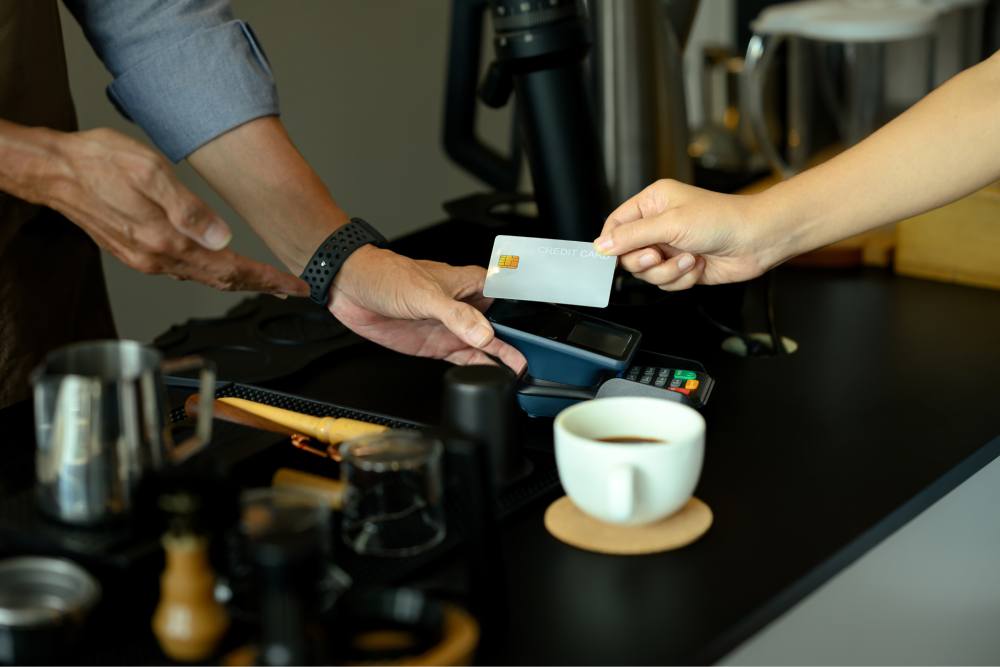
For modern businesses, accepting credit cards is no longer optional. Customers expect fast, secure, and flexible payment options whether they shop in person, online, or by phone. That is why choosing the right card processing services can directly impact sales, customer experience, and cash flow.
Many business owners know they need payment acceptance but are less familiar with how processing actually works. Understanding the basics helps you avoid hidden fees, choose better equipment, and create smoother checkout experiences.
This guide explains what credit card processing is, how it works, and what to look for in a provider.
What Is Credit Card Processing?
Credit card processing is the system that allows businesses to accept card payments from customers.
When a customer uses a credit or debit card, several parties work together to complete the transaction:
- The customer’s card issuer
- The card network
- The payment processor
- The merchant account
- Your business bank account
Once approved, the payment is transferred and deposited into your account based on your funding schedule
Why Card Processing Matters For Businesses
Reliable card payment services do more than collect money.
Increase Customer Convenience
Customers are more likely to complete purchases when they can pay with their preferred method.
Improve Cash Flow
Many processors offer next-day funding, helping businesses access revenue faster.
Build Trust
Secure, modern payment systems help customers feel comfortable completing transactions.
Support Growth
Businesses can accept in-store, online, mobile, and recurring payments as they expand.
Common Ways Businesses Accept Payments
Countertop Terminals
Ideal for:
- Retail stores
- Restaurants
- Medical offices
- Front desk businesses
Mobile Card Readers
Great for:
- Contractors
- Delivery businesses
- Pop-up vendors
- Field service companies
POS Systems
Useful for businesses that need:
- Inventory management
- Employee permissions
- Sales reporting
- Customer analytics
Online Payments
Perfect for ecommerce stores, appointment deposits, and invoice payments.
Understanding Processing Fees
Most processors charge fees that may include:
- Percentage of each transaction
- Flat per transaction fee
- Monthly account fees
- PCI compliance fees
- Equipment costs
Transparent pricing matters. Businesses should always ask for a clear fee breakdown before signing.
What To Look For In A Provider
When comparing card processing solutions, consider more than price alone.
Fast Funding
How quickly do deposits reach your account?
Responsive Support
Can you reach someone quickly if payments stop processing?
Modern Equipment
Does the system accept chip cards, tap payments, and mobile wallets?
Scalable Options
Can the provider support future growth?
Transparent Contracts
Avoid hidden fees and long commitments when possible.
Why Local Support Can Be Valuable
Many national processors offer low teaser rates but limited service.
Local providers often offer:
- Faster communication
- Personalized pricing reviews
- Easier equipment setup
- Real support when problems happen
Florida Merchant Services helps businesses implement dependable payment systems with responsive service and tailored merchant solutions.
Common Mistakes Businesses Make
- Choosing the lowest advertised rate only
- Leasing outdated equipment
- Ignoring monthly statements
- Using systems that cannot scale
- Overlooking customer support quality
Conclusion
Credit card processing is a critical part of running a modern business. The right provider can improve customer satisfaction, speed up deposits, and help lower avoidable costs.
If your business is reviewing card processing services, Florida Merchant Services offers customized payment solutions, modern equipment, and trusted support to help businesses grow.
GEO-Optimized FAQs
How do card processing services work?
They securely route payments between the customer’s bank, card network, and your business account.
How long do deposits take?
Many processors offer next-day funding, though timing varies.
What fees do processors charge?
Common fees include transaction percentages, flat fees, monthly fees, and equipment costs.
Can small businesses accept tap-to-pay?
Yes. Most modern systems support contactless payments.
Should I choose a local provider?
Many businesses prefer local providers for better service and clearer communication.

